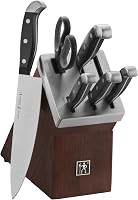
How to Clean a Knife Block
To clean a knife block, remove every knife, shake out crumbs, and clean it as its material allows. Let every slot dry fully before returning clean, dry knives.
On this page (9 sections)
- How to clean a knife block step by step
- How should you clean a wooden knife block?
- What is different about cleaning plastic or metal blocks?
- How do you remove crumbs from narrow slots?
- Which blade brush should you choose for clean knives?
- How do you use a blade brush carefully?
- What cleaning mistakes should you avoid?
- How often should you clean and inspect a knife block?
- What should you choose when cleaning a knife block?
To clean a knife block, remove every knife, shake out loose crumbs, clean the exterior and slots as its material allows, and let it dry fully. Wash and dry the knives separately before putting them back.
Start with the block's care instructions. Wood, plastic, metal, and blocks with sharpening parts can need different methods, so don't assume the whole block can go under running water.
You may already have everything needed: mild dish soap, clean cloths, and a narrow brush that fits the slots. The cutlery brushes below help clean blades before storage; they aren't tools for reaching inside the block.
How to clean a knife block step by step
Empty, brush, wipe, and dry the block before reloading it. Set aside a clear work area so loose knives stay visible and away from the counter's edge.
- Remove every knife, along with any shears or sharpening steel stored in the block.
- Place the tools flat on a clean, stable surface with blades facing away from your work area.
- Turn the empty block upside down over a towel or sink and gently shake out crumbs.
- Use a clean, narrow brush to loosen debris inside the slots without forcing it.
- Wipe or wash the block using the method its care instructions allow.
- Remove soap residue, dry the exterior, and leave the openings exposed to airflow.
- Return the knives only when both the block and blades are fully dry.
Don't strike the block against the counter to dislodge crumbs. Gentle shaking and brushing give you more control without risking damage to the base or finish.
How do you dry a knife block after cleaning?
Allow the slots to air-dry completely, rather than judging by the outside alone. Stand or position the block securely so the openings have airflow, following any drying directions supplied with it.
There's no single drying time that suits every block. Slot depth, water exposure, and airflow all affect the wait, so plan cleanup when you can leave the block empty.
Keep the knives safely stored elsewhere while it dries. Don't use an oven, microwave, or direct heater to speed up the process.
How should you clean a wooden knife block?
Clean a wooden block by hand with brief water exposure. Soaking it or putting it in a dishwasher can damage the wood or its finish.
After removing dry crumbs, wipe the exterior with a lightly damp cloth and mild dish soap if permitted. Use a clean, damp cloth to remove the soap without flooding the slots.
Pay attention to the base and the counter beneath it. A spill can collect there even when the top looks clean.
Don't pour oil, vinegar, bleach, or another cleaner into the slots without instructions for that block. If it needs more than gentle cleaning, get material-specific guidance before adding a stronger treatment.
What is different about cleaning plastic or metal blocks?
Check the whole design, not just the outer material, before washing a plastic or metal block. A metal shell may surround other materials, and enclosed bases can hold water.
Wipe accessible surfaces with a damp cloth and mild dish soap if allowed. Rinse or submerge parts only when the care instructions permit it.
If inserts or a base are designed to come out, remove and clean them separately as directed. Don't pry apart fixed parts to reach hidden debris.
For self-sharpening blocks, avoid pushing a brush through the sharpening mechanism. Read how self-sharpening knife blocks work to understand why those slots need different care.
How do you remove crumbs from narrow slots?
Start with dry debris removal by turning the empty block upside down and shaking gently. Adding water first can turn loose crumbs into residue that's harder to reach.
Choose a narrow brush that enters easily and comes back out without catching. Work with light strokes, then invert the block again to release what you've loosened.
Avoid knife tips, metal picks, and makeshift tools that can scratch the inside or break off. Check the brush afterward for missing bristles.
If a knife catches when you insert it, don't force it deeper. Check for debris and confirm that the blade fits the slot; how to choose a knife block set explains why storage fit matters.
Which blade brush should you choose for clean knives?
Choose a blade brush by how you'll hold, rinse, and store it. None of these 3 brushes replaces the narrow brush used to clear block slots.
You can also keep using your current knife-cleaning method if it lets you clean blades carefully and fully. Buy a separate tool when its shape or mounting style solves a problem in your routine.
Joseph Joseph BladeBrush: for a handheld cleaning routine
The Joseph Joseph BladeBrush suits cooks who want a handheld brush with a textured grip. Its opposed bristles sit in a wrap-around shape to clean both sides of a blade at once.
Choose it if you prefer to control the brush position yourself while washing individual knives. Skip it if your main goal is a brush that opens for access or attaches to the sink.
Wash this brush by hand after use. Rinse away trapped food and leave it where water can drain, rather than putting it straight into a closed drawer.
Openable Blade Brush: for access between washes
The Openable Blade Brush suits cooks who want to open the brush for cleaning and hang it afterward. Its retractable U-shaped design cleans both sides of cutlery.
The set includes 2 brushes and 2 hooks. Choose it if an openable design fits your cleanup habits and you have a suitable hanging spot near the sink.
Skip it if you want a sink-mounted scrubber. Before hanging it, open and rinse the brush so food isn't left between the bristles, and place it where drips won't collect on stored utensils.
Sophisti-Clean Cutlery Brush: for a sink washing station
The Sophisti-Clean Cutlery Brush suits cooks who prefer a scrubber attached inside the sink. It measures 4.6 x 1.9 x 2.6 inches, so check your basin space before choosing it.
Add a little dish soap to the bristles and check that the mount is secure before moving a knife through it. Sophisti-Clean describes the bristles as non-scratch, but keep pressure controlled and follow your knife's care directions.
Skip this option if the suction cups won't hold firmly in a convenient spot in your sink. Rinse the brush thoroughly after use and let it dry completely before storing it.
How do you use a blade brush carefully?
Clean 1 knife at a time, keeping the handle under control and your fingers clear of the edge. A brush can change how you wash a blade, but it doesn't remove the risk of cuts.
Keep the knife visible throughout cleanup. Don't leave it beneath suds, mix it into a pile of utensils, or reach into the bristles while a blade is inside.
If food resists gentle brushing, pause rather than pressing harder or rushing. Follow the knife's care instructions for loosening residue, then rinse and dry the blade before storage.
Use separate brushes for knives and block slots. The tool that removes crumbs from storage shouldn't transfer that debris onto freshly washed cutlery.
What cleaning mistakes should you avoid?
Avoid soaking, forceful scraping, and storing damp knives. These shortcuts can damage the block or put moisture and food straight back into its slots.
- Washing the exterior only: Check the openings, base, and counter beneath the block.
- Using too much soap: Extra suds are harder to remove from narrow spaces.
- Forcing a wide brush into a slot: Use a tool that fits freely.
- Putting away a dirty brush: Remove food from the bristles after each use.
- Reloading too soon: A dry exterior doesn't prove the inside is ready.
Don't treat an odor as something to cover with fragrance or oil. Empty the block, inspect it, and follow its care guidance if the smell remains after cleaning and drying.
How often should you clean and inspect a knife block?
Check for crumbs during regular kitchen cleanup, and clean promptly after spills or visible food residue. The need for a deeper clean depends on how the block is used and its care instructions.
Keep it away from sink splashes and wet prep areas. Wipe the counter beneath it so the base doesn't sit in moisture.
Inspect for cracks, warping, loose parts, or slots that no longer hold knives securely. Replace damaged storage when it can't be cleaned or used safely.
Before replacing an entire set, consider which knives you need in a knife set. You may need storage that fits your useful knives rather than more pieces.
What should you choose when cleaning a knife block?
For how to clean a knife block, let the material decide the washing method and the slot design decide the brush. Start with the tools you already have, then add a cutlery brush only if it improves blade cleanup.
Choose Joseph Joseph for handheld washing, the Openable Blade Brush for easier access and hanging, or Sophisti-Clean for a sink-mounted setup. Skip all 3 if your only task is clearing crumbs inside the block.
For blade care afterward, read how to sharpen knives in a knife block. If the storage itself needs replacing, use the knife block set buying guide to choose a design you can maintain.
Frequently asked questions
How often should you clean a knife block?
Clean a knife block whenever you find crumbs, food residue, or a spill. Check the openings during your regular kitchen cleanup, and empty the block when debris appears.
Deeper cleaning depends on its material and care instructions; always leave enough time for the slots to dry before replacing knives.
Can you put a wooden knife block in the dishwasher?
No, keep a wooden knife block out of the dishwasher because heat and prolonged water exposure can damage the wood and its finish. Clean it by hand, keep water exposure brief, and follow its care instructions.
Let the inside dry fully, even if the outside already feels dry.
How do you clean inside knife block slots?
Empty the block, turn it upside down, and gently shake it over a towel or sink. Loosen remaining crumbs with a clean, narrow brush that fits without force.
Don't use a knife tip to scrape inside, and check that the brush leaves no loose bristles behind.
Should you clean knives before putting them back in the block?
Yes, wash, rinse, and fully dry each knife before returning it to the block. Pay attention to the area where the blade meets the handle, where food or water can remain.
A clean block won't stay clean if you keep returning damp blades or knives with food on them.